












LVAD – Artificial Heart Surgery In India
LVAD – Artificial Heart Surgery in India helps support heart function in patients with severe heart failure
LVAD – Artificial Heart Surgery in India
Introduction: Giving a Failing Heart a Second Chance
Heart failure can be life-threatening. When medications and earlier treatments no longer work, patients may need something more advanced to survive. One of the latest technologies offering hope is the LVAD—left ventricular assist device, also known as a type of artificial heart.
An LVAD is a mechanical device implanted in the chest to help a weak heart pump blood to the body. In India, this advanced procedure is available at many top heart transplant hospitals, performed by skilled cardiac surgeons using modern techniques. Thanks to India's affordable healthcare costs, patients from Africa, the Middle East, and Southeast Asia are increasingly choosing India for this life-saving option.
What is an LVAD (artificial heart device)?
What is an LVAD?
An LVAD, or Left Ventricular Assist Device, is a mechanical pump placed inside the chest. It helps the heart’s main pumping chamber (the left ventricle) push blood to the rest of the body.
This device is used when the heart becomes too weak to pump blood on its own. An LVAD gives the heart the extra strength it needs to keep blood flowing.
It’s important to know that an LVAD doesn’t replace the heart. It simply helps it. That’s why it’s called an assist device. It connects to the heart and is powered by batteries you carry outside the body.
LVADs are used in three main situations:
- As a bridge to transplant, while waiting for a heart donor.
- As long-term therapy for patients who are not eligible for a transplant.
- As a bridge to recovery, in cases where the heart might get stronger again.
Types of LVAD Devices
Not all LVADs are the same. There are a few types of devices available, depending on the patient’s condition and the treatment goal.
Here are the three most commonly used types of LVAD systems:
1. HeartMate 3: This is one of the most advanced and widely used LVAD devices today. It uses a magnetic levitation system to pump blood, which helps reduce wear and tear inside the device. HeartMate 3 is known for its reliability and long-term support for patients. It has fewer complications and provides smoother blood flow.
2. HeartWare HVAD: This device is smaller in size and fits closer to the heart, which is especially helpful for patients with smaller chest cavities. It runs quietly and has been used widely for both bridge-to-transplant and long-term support. However, it’s gradually being replaced in many centers by newer models like HeartMate 3.
3. Jarvik 2000: This is a compact axial-flow pump that fits entirely within the chest, offering an option for selected patients. It’s less commonly used today, but it was one of the earlier successful designs and still available in some hospitals.
Each of these devices has its own benefits. Your heart team will recommend the best one based on your body size, overall health, and treatment goals. Regardless of the model, all these devices aim to improve quality of life and extend survival for patients with heart failure.
When is LVAD Surgery Needed?
Your doctor may recommend LVAD implantation if:
- You have severe heart failure
- Medications are no longer helping
- You are waiting for a heart transplant
- Your heart is too weak to pump enough blood
- You feel breathless or tired even at rest
- You are at risk of organ failure due to poor heart function
Heart failure can affect all parts of life — energy levels, appetite, mental health, and organ function. An LVAD can stabilize the condition and allow patients to live longer and more comfortably.
Conditions Treated with Artificial Heart Devices
LVADs are used for people with:
- Advanced heart failure (NYHA Class III or IV)
- Dilated cardiomyopathy
- Post-heart attack weakening
- Congenital heart disease (in some adult patients)
- Patients needing long-term mechanical support
If you're not a good fit for immediate heart transplant, your doctor may recommend LVAD surgery in India as the best option.
How is LVAD Surgery Performed?
Step 1: Evaluation Before surgery, a complete evaluation is done. This includes tests like:
- Echocardiogram
- Cardiac catheterization
- Blood tests
- CT scans
- Lung function test
- Psychological evaluation
Step 2: The Procedure LVAD surgery is a major operation done under general anesthesia. Here's what happens:
- The surgeon opens the chest and accesses the heart.
- The LVAD is connected to the left ventricle and the aorta (main artery).
- A small cable (driveline) comes out of the body and connects to an external controller and battery pack worn around the waist or shoulder.
- Once in place, the LVAD takes over much of the pumping work of the heart.
Step 3: ICU and Recovery
- The patient is taken to ICU for careful monitoring.
- Vital signs, device function, and wound healing are observed closely.
- Gradually, the patient is shifted to a regular ward, starts walking, eating, and attending physiotherapy.
Recovery After LVAD Surgery
- Hospital stay: 2 to 4 weeks depending on the condition.
- Most patients can walk within a week.
- Learning to care for the LVAD at home is an important part of recovery.
- A caregiver is usually trained to help with battery changes, dressing wounds, and monitoring alarms.
Some things to keep in mind:
- Avoid contact sports or swimming (due to driveline)
- Always carry backup batteries
- Regular follow-ups are needed every 3 to 6 months
With proper care, many patients live several years and enjoy a better quality of life.
Life with an LVAD
Living with an LVAD is a big change, but patients can return to many daily activities. Most patients can:
- Walk and exercise with supervision
- Travel (with doctor’s permission)
- Enjoy hobbies
- Spend time with family
It’s important to stay connected to a heart failure clinic for regular checkups. LVADs also improve appetite, sleep, and energy levels in most patients.
Cost of Artificial Heart Surgery in India
The cost of artificial heart surgery in India varies depending on the hospital, surgeon, and type of LVAD used. On average, it ranges between USD 65,000 – USD 80,000.
This usually includes:
- Device cost (LVAD system)
- Surgery and anesthesia fees
- Hospital stay and ICU charges
- Medicines during admission
- Diagnostic tests
- Physiotherapy and recovery guidance
Compared to countries like the USA (where this surgery can cost over USD 200,000), India offers a much more affordable option without compromising on quality.
Top Hospitals for LVAD Surgery in India
Here are some of the leading hospitals offering artificial heart transplant in India:
- Medanta – The Medicity, Gurgaon
- Fortis Escorts Heart Institute, New Delhi
- Apollo Hospitals, Chennai / Hyderabad / Delhi
- Narayana Health, Bangalore
- Max Super Specialty Hospital, Delhi
These hospitals have advanced cardiac ICUs, specialized LVAD coordinators, and patient education programs.
Best Surgeons for LVAD & Artificial Heart Procedures in India
Some renowned cardiac surgeons for mechanical heart implant in New Delhi and other Indian cities include:
- Dr. Naresh Trehan – Medanta
- Dr. Kewal Krishan – BLK Max, New Delhi
- Dr. Z.S. Meharwal – Fortis Escorts, Delhi
- Dr. Manoj Kumar – Max Hospital, Delhi
- Dr. Sandeep Attawar – Apollo Hospital, Hyderabad
These surgeons have years of experience in managing high-risk cardiac surgeries and heart failure patients.
Why Choose India for LVAD & Artificial Heart Transplant?
- Advanced hospitals with global technology
- Internationally trained surgeons
- Lower costs compared to the West
- No long waiting list
- Good outcomes and survival rates
- Personalized care for international patients
India also provides full assistance with:
- Visa letters
- Airport pickup
- Language translation
- Hotel bookings for attendants
- Post-surgery rehabilitation and home care education
Final Words
An artificial heart surgery in India like LVAD implantation can bring new hope to patients with severe heart failure. If you or your loved one is struggling with advanced heart disease, this procedure can offer a longer, more active, and better-quality life.
Our team will support you every step — from connecting with top doctors to arranging your medical travel. Don't delay care. Reach out and learn how LVAD surgery in India can be your path to a stronger heart.
Our Packages
All-inclusive medical tourism packages in India for international patients—covering surgery, hospital stay, local support services, and recovery accommodation.









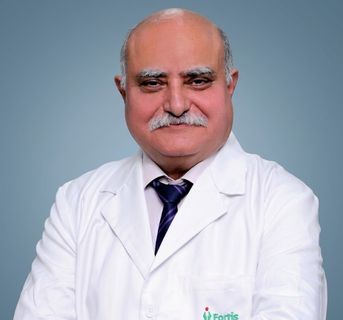
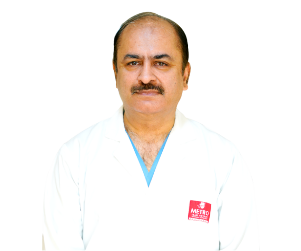
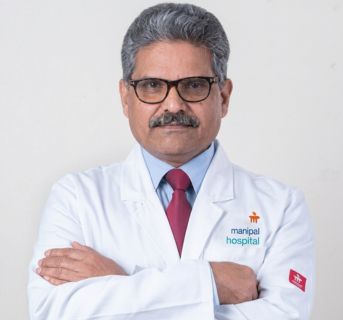
Meet Our Highly Qualified Doctors
A curated team of globally recognized medical experts across multiple specialties.





Transform Your Health With Expert-Led Treatments
Experience advanced medical care designed around precision, comfort, and fast recovery. Explore personalized treatment plans supported by world-class medical expertise and modern clinical technology.
MedTreeva offers transparent, all-inclusive treatment packages designed for international patients. From hospital admission to surgery support and recovery stay assistance, we ensure a stress-free medical travel experience.