











Advanced Hair Transplant Surgery in India
Restore your confidence with hair transplant in India performed by skilled hair restoration experts. MedTreeva helps patients access advanced FUE and DHI hair transplant procedures designed to deliver natural hair growth, minimal downtime, and long-lasting results.
✔ Advanced FUE & DHI Techniques
✔ Experienced Hair Transplant Surgeons
✔ Affordable Treatment for International Patients
Hair Transplant in India
Natural Hair Restoration with Advanced Techniques and Affordable Cost
Hair loss affects millions of people around the world. It is not only a physical concern. It can also affect confidence, self-image, and social life. Many people feel uncomfortable when their hairline starts moving back or when bald spots appear on the scalp.
Hair loss can happen due to genetics, age, stress, hormones, illness, medicines, or injury. Some people try oils, shampoos, medicines, or home remedies. These may help in early hair thinning. But when hair roots are already lost, these methods may not bring back full hair growth.
A hair transplant can help in such cases. It is a safe and effective treatment that moves healthy hair roots from one part of the scalp to the bald or thin area. The transplanted hair grows naturally and stays for a long time.
India is now one of the most trusted destinations for hair transplant surgery. The best hair transplant in India combines skilled doctors, modern technology, clean clinics, and affordable prices. Patients from the USA, UK, Europe, Middle East, Africa, Australia, and CIS countries visit India for high-quality hair restoration.
At MedTreeva, we help international patients choose the right clinic, doctor, and hair transplant technique. We also help with cost estimates, appointments, travel support, hotel stay, and follow-up care.
Multiple Treatment Methods
India offers FUT, FUE, DHI, Sapphire FUE, PRP therapy, and no-shave hair transplant. The doctor chooses the best method based on your hair loss and donor hair.
No-Shave Hair Transplant Option
A no-shave hair transplant in India is helpful for patients who do not want others to notice the procedure. It is also preferred by many working professionals and women.
Advanced Needle and Pen Technique
In DHI, surgeons use an implanter pen or fine needle-like tool to place grafts directly into the scalp. This helps with better control, less handling of grafts, and more precise placement.
Faster Recovery with FUE and Sapphire
FUE and Sapphire methods use small extraction points and tiny channels. This can mean less visible scarring, quicker healing, and more comfort after the procedure.
PRP Support for Better Growth
India PRP therapy for hair loss may be added after transplant. PRP uses your own blood platelets to support healing and improve hair growth.
Experienced Hair Transplant Surgeons
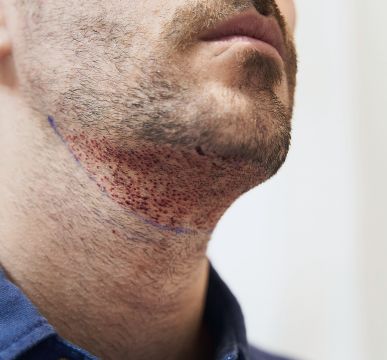
India has many top hair transplant surgeons in India with experience in male hairline design, crown restoration, beard transplant, eyebrow transplant, and female hair transplant.
What is a Hair Transplant?
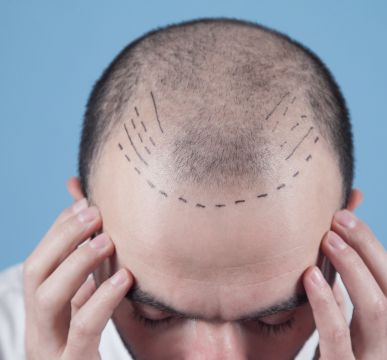
A hair transplant is a medical procedure that moves hair roots from one area of the scalp to another. The hair is usually taken from the back or sides of the head. This area is called the donor area.
The donor hair is strong because it is usually resistant to baldness. The surgeon removes these healthy hair roots and places them in the bald or thinning area.
After healing, the transplanted hair starts growing like normal hair. You can cut, wash, and style it like your natural hair.
Hair transplant is commonly used for male pattern baldness. Women with hair thinning can also benefit in selected cases. Doctors in India perform hair transplants with care to create a natural hairline and long-lasting results.
Who Should Consider a Hair Transplant?
You may need a hair transplant if you have visible hair loss and enough donor hair.
You may be a good candidate if you have:
Bald spots on the scalp
Receding hairline
Thin hair at the crown
Hair loss due to genetics
Hair loss after injury or burn
Hair loss after surgery
Patchy hair loss in selected cases
Thin beard or moustache area
Hairline thinning that affects confidence
The doctor will check your scalp, hair density, donor area, and medical history. A hair transplant gives the best results when the patient has healthy donor hair and realistic expectations.
It is also important to understand that hair transplant does not stop future hair loss. The doctor may suggest medicines or India PRP therapy for hair loss to support existing hair and improve results.
Common Causes of Hair Loss
Hair loss can happen for many reasons. Knowing the cause helps the doctor plan the right treatment.
Genetic Hair Loss
This is the most common reason for baldness. It is also called male pattern baldness or female pattern hair loss. It usually affects the hairline, temples, and crown.
Hormonal Changes
Hormonal imbalance can cause hair thinning. This is common in women after pregnancy, menopause, or thyroid problems.
Stress and Illness
Severe stress, fever, surgery, or sudden weight loss can cause temporary hair fall. This type may improve with treatment and time.
Nutritional Deficiency
Low iron, low vitamin D, low protein, and poor diet can cause hair shedding. Doctors may suggest blood tests before treatment.
Medicines and Medical Conditions
Some medicines and illnesses can cause hair loss. The doctor will ask about your health history before planning treatment.
Injury or Scar Hair Loss
Burns, cuts, accidents, or surgery scars can damage hair roots. Hair transplant may help cover selected scar areas.
Hair Transplant Techniques in India
India offers many advanced hair transplant techniques. The right method depends on your bald area, donor hair, budget, and expected result.
1. FUT Hair Transplant India
FUT stands for Follicular Unit Transplantation. In this method, the surgeon removes a thin strip of skin with hair from the back of the head. The team then separates this strip into small grafts. These grafts are implanted in the bald area.
FUT hair transplant India may be useful for patients who need a large number of grafts in one session.
Benefits of FUT include:
Good for covering large bald areas
More grafts can be collected in one sitting
Cost may be lower than advanced methods
Good option when donor area allows strip removal
FUT leaves a thin line scar at the back of the scalp. This scar is usually hidden by surrounding hair. It may not be the best option for patients who want to keep very short hair.
2. FUE Hair Transplant
FUE means Follicular Unit Extraction. In this method, the surgeon removes individual hair roots from the donor area. These roots are then placed into the bald area.
FUE is one of the most popular hair transplant methods in India. It does not need a long cut or stitches.
Benefits of FUE include:
No long visible scar
Faster healing than FUT
Less discomfort
Natural-looking results
Suitable for small and medium bald areas
Good for patients who want short hairstyles
FUE needs skill and time. The quality of result depends on graft handling, hairline design, and surgeon experience.
3. DHI Hair Transplant
DHI means Direct Hair Implantation. It is an advanced form of FUE. In this method, the doctor uses a special implanter pen to place hair grafts directly into the scalp.
DHI allows better control over the angle, depth, and direction of each hair. This helps create a natural hairline.
Benefits of DHI include:
Precise graft placement
Natural hairline design
No cuts or stitches
Good control over hair direction
Faster healing in many patients
DHI hair transplant cost in India is higher than FUT and standard FUE. Many patients still choose it because it can give a refined and natural look.
4. Sapphire Transplant in India
Sapphire transplant in India is a modern upgrade of FUE. In this method, the surgeon uses sapphire blades instead of regular steel blades to create tiny channels in the scalp.
These blades are very sharp and smooth. They help create smaller and cleaner openings.
Benefits of sapphire hair transplant include:
Smaller incisions
Less skin damage
Faster healing
Accurate graft placement
Natural density
Better comfort during recovery
This method is popular among patients who want advanced treatment and natural-looking results.
5. India PRP Therapy for Hair Loss
PRP means Platelet-Rich Plasma. It is not a transplant technique. It is a support treatment that uses the patient’s own blood to improve hair growth.
The doctor takes a small amount of blood. It is processed to separate the platelet-rich plasma. This plasma is then injected into the scalp.
India PRP therapy for hair loss may help:
Strengthen weak hair roots
Reduce hair fall
Improve scalp health
Support transplant results
Improve hair thickness in early thinning
PRP is often advised before or after hair transplant. It can also be used alone in early hair loss cases.
FUT vs FUE vs DHI vs Sapphire Hair Transplant
The best method is not the same for everyone. Some patients need FUT. Some need FUE, DHI, or sapphire. The doctor will suggest the right method after checking your hair loss pattern.
The Hair Transplant Process in India
Here is how your hair transplant journey in India usually works.
Step 1: Consultation
You meet the doctor and discuss your hair loss. The doctor checks your scalp, hairline, donor area, and medical history. Photos may be taken for planning.
International patients can start with an online consultation. You can share scalp photos and previous treatment details.
Step 2: Hairline Design
Hairline design is one of the most important steps. A natural hairline should match your age, face shape, and hair density.
The doctor will not simply make a low hairline. A very low hairline may look unnatural and may need too many grafts. A good surgeon creates a balanced and long-term plan.
Step 3: Choosing the Right Technique
Based on your hair type, donor area, baldness grade, and goal, the doctor may suggest FUT, FUE, DHI, sapphire, or a combined method.
The doctor will also explain how many grafts are needed.
Step 4: Procedure Day
The procedure is done under local anesthesia. You stay awake, but the scalp area is numb. You do not feel pain during the procedure.
The doctor collects hair grafts from the donor area. The grafts are then implanted in the bald or thinning area.
The process may take 4 to 8 hours. Large cases may take longer or may need more than one session.
Step 5: Recovery
After the procedure, the doctor gives medicines, shampoo instructions, and aftercare advice. Mild swelling, redness, or tightness can happen for a few days.
Most patients can return to light work in 2 to 3 days.
Step 6: Hair Growth
The transplanted hair may fall after 2 to 3 weeks. This is normal and is called shock loss. New hair growth usually starts from the third month.
Full results are usually seen in 9 to 12 months. In some patients, final density improves up to 15 months.
How Many Grafts Do You Need?
The number of grafts depends on the size of the bald area and the density needed.
Approximate graft needs may be:
This is only an estimate. The doctor will give the exact number after checking your scalp and donor area.
A good doctor will not overharvest the donor area. Safe graft planning is important for long-term results.
Benefits of Hair Transplant in India
Thousands of patients choose India every year for hair restoration.
Main benefits include:
Natural-looking results
Experienced hair transplant surgeons
Advanced FUE, DHI, and sapphire techniques
Affordable treatment options
Clean clinics and modern tools
Short waiting time
PRP support for better results
Good aftercare and follow-up
English-speaking doctors
Travel support for international patients
Patients also get access to top hair transplant surgeons in India, especially in cities like New Delhi, Mumbai, Bangalore, Hyderabad, and Chennai.
Hair Transplant Cost in India
Hair transplant cost in India depends on several factors. These include the technique used, number of grafts, doctor’s experience, clinic location, and level of care.
Here is an estimated cost guide:
The cost may include:
Doctor consultation
Hairline design
Donor area preparation
Graft extraction
Graft implantation
Medicines after procedure
Special shampoo
Follow-up visits
PRP therapy in selected packages
DHI hair transplant cost in India is usually higher because it needs special tools and more time. Sapphire transplant may also cost more than standard FUE.
Even with travel and hotel costs, India is more affordable than the USA, UK, Europe, or Gulf countries.
Best Cities for Hair Transplant in India
India has many good cities for hair transplant treatment.
New Delhi
New Delhi has many advanced hair transplant clinics and experienced doctors. It is also easy for international patients because of direct flights and good hotel options.
Mumbai
Mumbai offers advanced cosmetic care and premium clinics. Many patients choose Mumbai for high-end aesthetic treatments.
Bangalore
Bangalore combines modern clinics with affordable pricing. It is popular among domestic and international patients.
Hyderabad and Chennai
These cities offer trusted doctors, clean clinics, and affordable treatment packages.
The best city depends on your budget, doctor choice, travel route, and treatment goal.
Top Hair Transplant Surgeons in India
Choosing the right surgeon is very important. Hair transplant results depend on planning, technique, graft handling, and hairline design.
The top hair transplant surgeons in India should have:
Strong experience in hair restoration
Training in FUT, FUE, DHI, and sapphire techniques
Good before-after results
Clean clinic setup
Skilled graft handling team
Transparent pricing
Natural hairline design skills
Good patient reviews
Clear aftercare support
A good surgeon will explain what is possible. They will not promise unrealistic density or instant results,
How to Choose the Right Clinic
When selecting a hair transplant clinic in India, check these points:
Certified and trained doctors
Clean and modern clinic
Real patient reviews
Before and after photos
Transparent graft count
Clear pricing
Proper sterilization
Good aftercare plan
Honest discussion about results
No false promises
Avoid clinics that promise very low prices without proper doctor involvement. Hair transplant is a medical procedure. It should be done safely by trained professionals.
Recovery After Hair Transplant
Recovery is usually simple. Most patients return to light work in a few days.
Common recovery points include:
Mild redness for a few days
Small scabs around grafts
Mild swelling on forehead
Tightness in donor area
Itching during healing
Temporary shedding after a few weeks
Your doctor will give medicines and washing instructions. Follow them carefully.
Recovery Timeline
Patience is very important. Hair transplant results do not appear overnight.
Tips for a Smooth Recovery
To get the best outcome, follow these tips after surgery:
Do not touch or scratch the scalp
Sleep with your head raised
Avoid heavy workouts for 2 weeks
Use only prescribed shampoo
Take medicines as advised
Avoid smoking during healing
Avoid alcohol for some time
Avoid direct sunlight on the scalp
Do not wear tight caps too early
Attend follow-up visits
Good aftercare helps protect the grafts and improves final results.
What to Expect
Hair transplant results are gradual. The transplanted hair may fall out in the beginning. This is normal. The hair roots remain inside the scalp.
New growth usually starts after 3 months. Hair becomes thicker over time. By 6 months, many patients see visible improvement. By 9 to 12 months, the final result becomes clear.
You can cut, color, and style transplanted hair like normal hair after full healing. The results are long-lasting because donor hair is usually resistant to baldness.
Some patients may need a second session if baldness is advanced or if they want more density.
Who May Not Be Suitable for Hair Transplant?
Hair transplant is not suitable for every patient. The doctor may advise against it if:
Donor hair is very weak
Hair loss is still very active
Bald area is too large for donor supply
Scalp infection is present
Medical condition is uncontrolled
Patient has unrealistic expectations
Hair loss is temporary and may improve with medicines
The doctor may first suggest medicines, PRP, or treatment for the cause of hair loss.
Risks and Safety
Hair transplant is generally safe when done by an experienced doctor in a clean clinic. But like any procedure, it may have some risks.
Possible risks include:
Swelling
Infection
Bleeding
Itching
Temporary shock loss
Uneven hair growth
Poor graft survival
Visible scarring in FUT
Overharvesting of donor area
Need for touch-up session
These risks can be reduced with proper planning, safe technique, and good aftercare.
International Patient Support by MedTreeva
MedTreeva helps international patients plan their hair transplant in India.
We help with:
Online doctor consultation
Scalp photo review
Graft estimate
Technique selection
Cost estimate
Clinic selection
Appointment booking
Airport pickup
Hotel stay near clinic
Interpreter support if needed
Follow-up after treatment
We make the journey simple and comfortable for patients from other countries.
Hair Transplant
Method, Needle Use, and No-Shave Option
- The treatment starts with a hair and scalp check-up. The doctor checks your bald area, donor hair, hairline, and hair loss pattern.
- The surgeon then decides the best method for hair transplant in India. Common methods include FUT, FUE, DHI, Sapphire FUE, and no-shave hair transplant.
- In FUT hair transplant India, a thin strip of skin with hair is taken from the back of the head. Hair grafts are separated and placed in bald areas.
- In FUE hair transplant, single hair roots are removed one by one from the donor area. This method does not need stitches and gives faster healing.
- In DHI hair transplant, the doctor uses a special implanter pen or needle-like tool. This tool places hair grafts directly into the scalp with better control over angle, depth, and direction.
- In Sapphire hair transplant, special sapphire blades are used to create tiny channels. These small openings help place grafts neatly and support natural-looking hair growth.
- In no-shave hair transplant, the full head is not shaved. Only small donor areas may be trimmed. This is useful for patients who want to keep the treatment private.
- During the procedure, local anesthesia is given with a small needle. This numbs the scalp, so the patient does not feel pain during graft removal and implantation.
- The procedure usually takes 4 to 8 hours. The time depends on the number of grafts and the method used.
- Recovery is usually quick. Most patients return to light work in 2 to 3 days. New hair growth starts after 3 to 4 months, and full results are usually seen in 9 to 12 months.
Restore Your Hair with Advanced Hair Transplant in India
Get natural-looking hair growth with FUE, DHI, Sapphire, PRP, and no-shave hair transplant options in India. MedTreeva connects you with trusted hair transplant clinics and experienced surgeons for safe and affordable treatment.
Contact MedTreeva Today
Our Packages
All-inclusive medical tourism packages in India for international patients—covering surgery, hospital stay, local support services, and recovery accommodation.

Meet Our Highly Qualified Doctors
A curated team of globally recognized medical experts across multiple specialties.

Transform Your Health With Expert-Led Treatments
Experience advanced medical care designed around precision, comfort, and fast recovery. Explore personalized treatment plans supported by world-class medical expertise and modern clinical technology.
MedTreeva offers transparent, all-inclusive treatment packages designed for international patients. From hospital admission to surgery support and recovery stay assistance, we ensure a stress-free medical travel experience.